



Mary Pouline, Author and Founder, Sapience Publications
Hello dear readers,
I am Mary Pouline, back again with my monthly insights. Let’s dive into parenting again. For a change, I’d like to talk more about parents than children in this article. After all, the world doesn’t have to revolve around our children all the time. Instead, I want to address an issue that is often overlooked: parenting burnout.
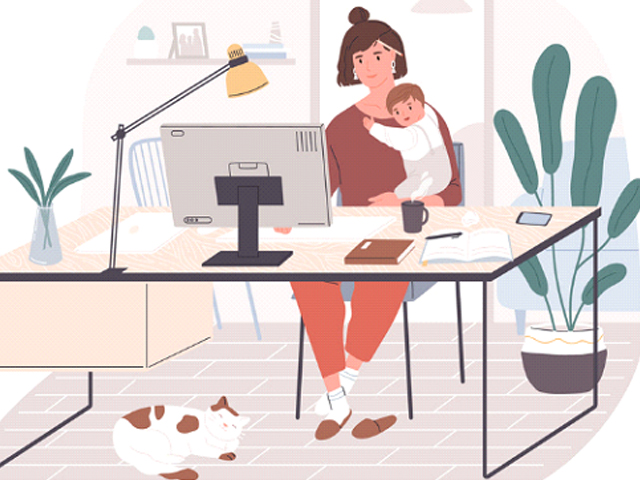
Parenting is one of life’s most rewarding journeys, filled with love, laughter, and life lessons. But behind the warmth of bedtime stories and the joy of first steps lies a lesser-discussed reality: parenting burnout. In the Indian context, this experience is particularly layered, shaped by cultural expectations, joint family dynamics, academic pressure, and the ever-evolving demands of modern life. The good news? Burnout isn’t a dead-end. With awareness, support, and self-compassion, it can be managed and even transformed into an opportunity for personal growth.
What is Parenting Burnout?
Parenting burnout is a state of physical, emotional, and mental exhaustion caused by prolonged stress related to parenting. It goes beyond the usual tiredness of raising children. It can involve:
- Emotional distancing from one’s children
- A sense of being trapped or overwhelmed
- Feeling like one is no longer a “good parent”
- Constant irritability, sadness, or numbness
A 2023 – global study published in Frontiers in Psychology found that nearly 68% of parents across the world reported signs of burnout: emotional fatigue, reduced sense of accomplishment, and detachment. Anecdotal reports and rising mental health consultations suggest that urban Indian parents are increasingly feeling the heat.
Why Indian Parents Are Especially Vulnerable
- High Expectations, Low Support
In Indian society, parenting is deeply idealised. From the moment a child is born, parents are expected to be tirelessly selfless. A “good parent” is someone who sacrifices their needs, often to the point of personal depletion. But this ideal doesn’t come with a safety net. Mental health is still a taboo in many circles, and asking for help may be seen as weakness or incompetence.
“You are not a bad parent for needing time to yourself. You are a human being,” says Dr. Shefali Tsabary, Indian-American clinical psychologist and parenting expert.
- Academic Pressure
Indian parents often face tremendous stress to ensure their child performs well academically. The pressure can be immense: a 2022 – National Sample Survey report revealed that Indian students spend 25-30 hours a week on schoolwork and tuitions, often pushed by parental expectations. Many parents internalise their child’s success or failure as their own, leading to chronic anxiety.
- Sandwich Generation Stress
Many urban Indian parents in their 30s or 40s are part of the “sandwich generation”—caring for both their young children and ageing parents. This dual caregiving role, while rooted in strong family values, can stretch emotional and physical resources dangerously thin.
- Digital Overload and Social Media Pressure
With platforms like Instagram and WhatsApp constantly showcasing “perfect” family lives, Indian parents often feel pressure to match up. Seeing curated images of craft projects, homemade meals, and travel experiences can leave one feeling inadequate, even if those snapshots are far from reality.
Signs You Might Be
periencing Burnout
Burnout often creeps in gradually. Here are some signs to watch out for:
- Constant fatigue, even after resting
- Feeling disconnected from your child
- Increased yelling or irritability
- Lack of enjoyment in parenting tasks
- Fantasies of “escaping” or “running away”
- Frequent headaches, sleep issues, or digestion problems
Recognising these symptoms early is crucial—not just for your well-being, but also for your child’s emotional environment.
Studies show that children of burned-out parents are at higher risk of developing anxiety, attention issues, and emotional distress.
…Contd in Aalumai Sirpi Magazine